Back to all

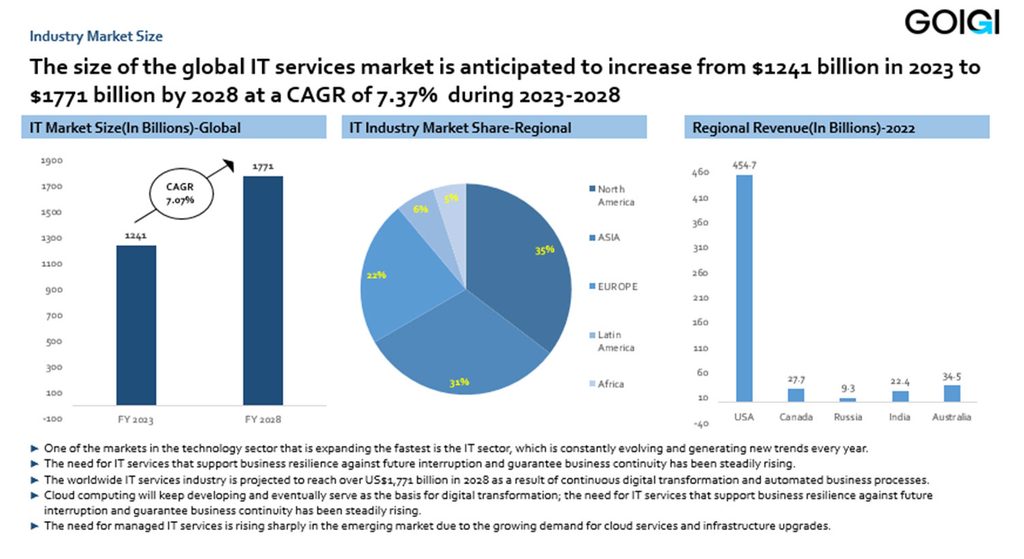
Platform options have grown rapidly over the last few years. Some estimates forecast an increase to $1,771 billion by 2028, at a CAGRR of 7.73%.
If there’s something you want your company to do, chances are there’s a platform that will help – but this amount of choice can get overwhelming.
This is when many companies turn to the idea of consolidating.
Platform consolidation is an area we are passionate about at Axess Systems.
As a Citrix Preferred Services Partner we optimize and support Citrix migrations around the clock. In that light, many of the examples below are Citrix focused. That said, wherever you are on your migration journey, we can give you practical, tailored advice to help your situation.
Our approach to migration isn’t one-size fits all, and with deep expertise in VDI, networking, and data centre, you may be surprised with what we come up with for you!
Keep reading for an overview of Platform Consolidation in 2026…
What is Platform Consolidation?
Platform consolidation is when a company reduces the number of platforms (or tools) it uses, in order to make an environment more efficient. There are several ways a company can consolidate platforms, including combining platforms with similar functions, or centralising multiple pieces of software under the same vendor.
But what are the benefits of consolidating? What pitfalls should you avoid? And if you do choose to consolidate your platforms, how can you ensure the process is as smooth as possible?
The Benefits of Platform Consolidation
1. Cost Efficiency
This one is basic maths – the more platforms you have, the higher the cost. On the other hand, data shows that when companies consolidate their platforms, they make considerable cost savings.
According to the Office for National Statistics (ONS), UK firms adopting advanced technologies alongside strong management practices achieve approximately 19% higher turnover per worker compared to peers, after controlling for firm characteristics and management scores. These recouped costs can then be reinvested into the company, giving it a bigger chance to grow.
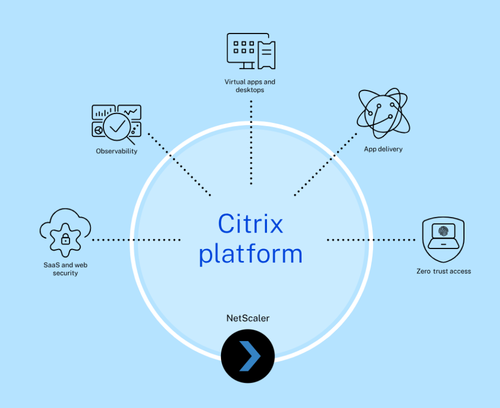
In the example below, the Citrix Platform consolidates SaaS and web security, observability, Virtual apps and desktops, App delivery, and Zero trust access alongside integrated NetScaler. When conducting license reviews, our consultants regularly help Citrix customers tap into more of the Universal Hybrid Multi-Cloud capability to simplify their tech stack and spending.
2. Improved Security and Governance
Cyberattacks have increased in frequency and aggression. According to the UK Government’s Cyber Security Breaches Survey, 43% of UK businesses – equating to roughly 612,000 companies – and 28% of UK charities identified at least one cyber breach or attack in the past year, with large firms reporting a rate of 69%.
Unsurprisingly, one of the biggest draws of platform consolidation is how it shrinks a company’s attack surface. A smaller attack surface means cybercriminals instantly have fewer entry points, making your company and its assets safer.
Having fewer, curated platforms also makes it easier to enforce cybersecurity and compliance policies. This means you’re less likely to fall victim to attacks that exploit user error.
In this instance, improved security and governance is a migration benefit regardless of your migration platform of choice. From what we’ve seen in recent years, it looks to be one that will remain crucial going forward – as we see attack risks increasing in the UK each year. If you are looking at consolidating from a security point of view, why not ask us for recommendations based on your current attack surface?
3. Enhanced Operational Efficiency
Of course, security isn’t the only area where platform consolidation can help company efficiency. This is also a broader benefit. Consolidating platforms can also simplify workflows – some of which might not have seemed complex at first glance.
Consolidating platforms also lightens the cognitive load for users. Renewals, audits and other processes don’t have to be replicated across multiple platforms . This means they don’t become time sinks.
The other aspect of this is making sure you work with the right Citrix Partner to manage your account. Undertaking an independent Citrix Health Check with Axess Systems lets you experience working with one of our consultants on a standalone project, to see what our recommendations are and sense-check your current setup with no additional tie-ins.
4. Better User Experience
End-user computing (EUC) has always been about one thing: enabling people to get work done securely from anywhere, on any device. Now, the scope has expanded far beyond virtual desktops.
EUC has now broadened to deliver a seamless, secure, and flexible experience across SaaS, web applications, legacy applications in any environment, all while managing costs and risk.
The Risks of Platform Consolidation
Of course, platform consolidation isn’t without its pitfalls. Companies need to be fully aware of these before they decide to go ahead with a project.
1. Complexity of Migration
Data migration is often one of the biggest hurdles for companies looking to consolidate platforms. Depending your setup, you may need to plan for business continuity while it’s all moved across.
This can be mitigated by working with a partner to risk-assess your migration, complete QA and step-by-step execution, and get real-time in-person support on migration days. With 25+ years in the industry, we have completed migrations with highly regulated industry leaders and can put you in touch with somebody from a similar industry/facing similar challenges to help you make decisions on your own consolidation challenges.
2. Vendor Lock-In
You might think that vendor lock-in – when a business becomes overly dependent on a single provider – is inevitable when consolidating multiple platforms into one. This is an understandable concern and one we’ve heard before, the most important aspect here is designing a migration that prioritises governance and control.
One way to avoid the “lock” is choosing platforms designed for interoperability and multi-cloud flexibility. For example, Citrix acts as an open management layer across on-premises data centres, Microsoft Azure, AWS, Google Cloud, and existing hypervisors. The “any any any” marketing messages are just as relevant today, but it’s not just marketing!
By consolidating onto an ecosystem built on open standards, you simplify administrative overhead without losing the freedom to adapt your underlying infrastructure whenever your business needs change.
Strategic Considerations Before Consolidating
Here are some more, general ideas on how to make your platform consolidation journey smooth for all involved:
Define Clear Objectives
Before you even begin looking into what platforms to consolidate and how, you should be clear on what you want to achieve with your platform consolidation project. Are you looking to save money? Improve your company’s security? Maybe you want to make the company more adaptable? Whatever it is, define it at the outset. Doing so will give you a clearer view of which systems do what you need them to, meaning less wasted time.
Conduct A Tech Stack Audit
If the above was your first step, this should be your second. Take stock of all the platforms you have – even if they’ve not been used in years – and note if there are any that have the same functions, or are no longer needed. You’ll get an honest assessment of which platforms would be best to consolidate.
From this, you’ll be able to drill down further – into platforms that are most high-value to consolidate, or most high-risk to leave as they are.
Evaluate Total Cost of Ownership
Of course, costs should always be one of the top considerations when you’re doing platform consolidation. However, adding together the purchasing costs often won’t give you the full picture. Make sure to calculate the Total Cost of Ownership (TCO). This includes the original purchase price and the operating costs over the software’s lifetime. So, for a software platform, the TCO would include costs for support, training, and integrations. Taking all these into account will make sure you know costs upfront, and don’t run the risk of overspending.
Engage Stakeholders Early
If a department has been using a certain number of platforms for many years, it makes sense that they might be nervous about consolidating. While you can’t control how stakeholders feel about a change like this, you can make a difference to how they perceive it. By communicating with everyone who’ll use the software early in the process, providing training, and continuously monitoring how the new consolidated platform is adopted, there’ll be a much bigger chance of changes sticking in the long term.
Like any IT decision, the choice to consolidate platforms shouldn’t be made lightly. Whatever method of consolidation you choose, you’ll meet challenges. But, with the right amount of planning and research, there’s no reason why your platform consolidation can’t be a success.
With Citrix Universal Licensing, you can easily use and manage your Citrix products across hybrid, cloud, and on-premise environments – cutting costs and making you more adaptable.
To find out more, get in touch with us today, or book a free consultation.

 Previous